Liver Cirrhosis
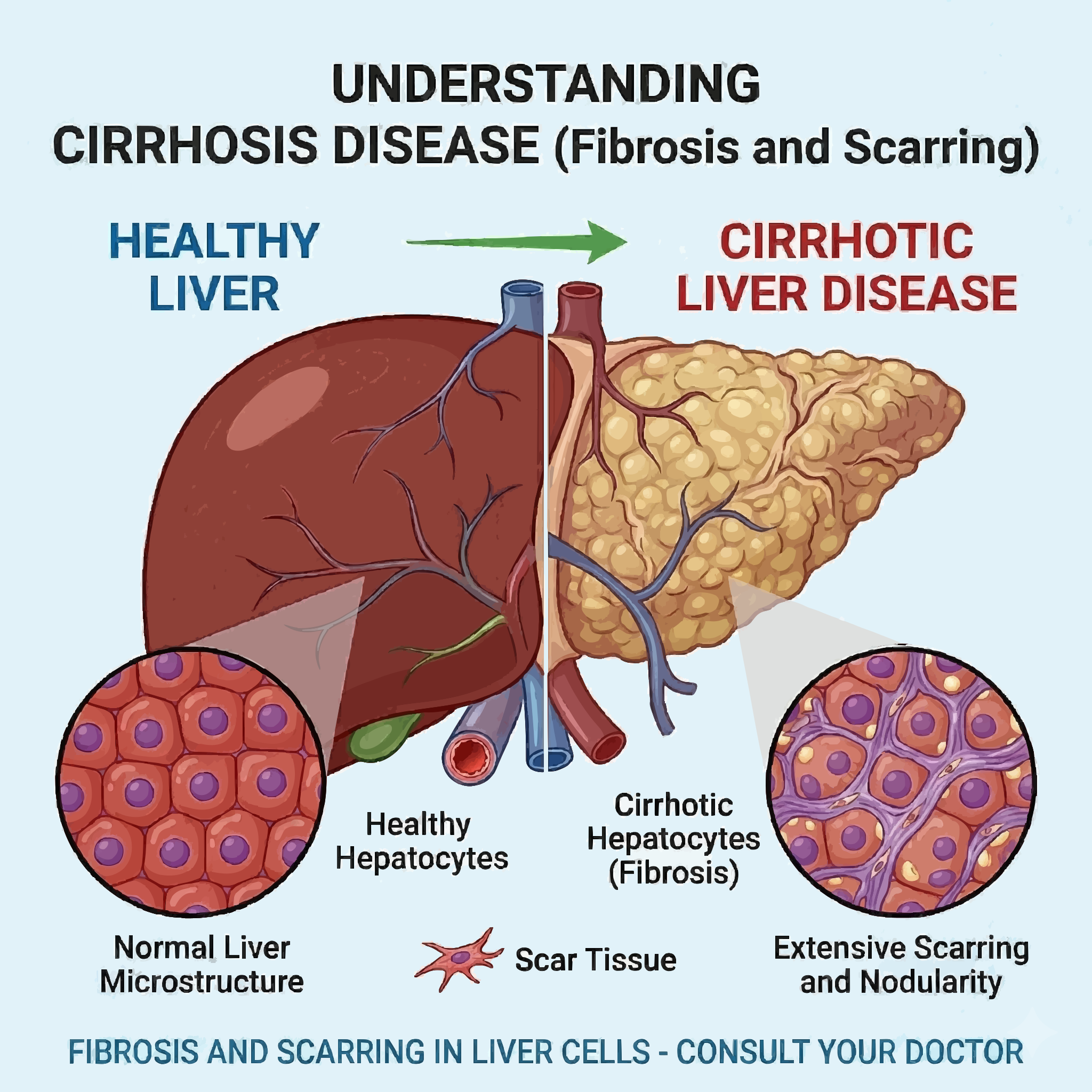
Liver Cirrhosis is a serious condition in which healthy liver tissue is gradually replaced by scar tissue. This scarring prevents the liver from functioning properly and interferes with its ability to filter toxins, process nutrients, and support digestion.
Cirrhosis usually develops slowly over many years and is often the result of long-term liver damage caused by conditions such as fatty liver disease, hepatitis infections, or excessive alcohol use. Early diagnosis and treatment are important to slow the progression of the disease and protect remaining liver function.
Common Symptoms to Watch For
Patients may experience the following:
• Persistent fatigue and weakness
• Loss of appetite
• Nausea or digestive discomfort
• Unexplained weight loss
• Pain or discomfort in the upper right abdomen
• Easy bruising or bleeding
• Swelling in the legs or ankles
• Fluid buildup in the abdomen (ascites)
• Yellowing of the skin or eyes (jaundice)
What Causes Liver Cirrhosis?
Cirrhosis usually develops after years of chronic liver damage. Common causes include:
Chronic Alcohol Consumption: Long-term alcohol use can damage liver cells and lead to progressive scarring.
Fatty Liver Disease: Untreated fatty liver disease or non-alcoholic steatohepatitis (NASH) can cause inflammation and liver damage.
Viral Hepatitis: Chronic infections such as hepatitis B or hepatitis C can gradually damage the liver.
Long-Term Liver Inflammation: Certain autoimmune conditions can cause the immune system to attack liver tissue.
Bile Duct Disorders: Diseases that affect bile flow can also lead to cirrhosis.
Liver Cirrhosis treatment at Lifeline Clinic
Comprehensive Evaluation
Accurate Diagnosis
Personalized Treatment
Treatment for Fatty Liver Disease
Managing the condition that caused liver damage is essential. This may include treatment for hepatitis infections, fatty liver disease, or alcohol-related liver damage.
Medications
Certain medications may be prescribed to reduce inflammation, control complications, and support liver function.
Lifestyle Changes
Patients are advised to:
• Avoid alcohol completely
• Maintain a healthy body weight
• Follow a balanced liver-friendly diet
• Limit salt intake to reduce fluid retention
• Exercise regularly
• Manage diabetes and cholesterol levels
Monitoring and Follow-Up
Regular medical checkups help detect complications early and allow timely treatment.
In advanced cases, liver transplantation may be considered.
When to seek medical help?
You should consult a gastroenterologist if you notice:
• Persistent fatigue or weakness
• Yellowing of the skin or eyes
• Swelling in the abdomen or legs
• Digestive problems that do not improve
• Abnormal liver test results
Related Images
Other Conditions
Frequently Asked Questions
Can liver cirrhosis be cured?
In most cases, the scar tissue caused by cirrhosis cannot be completely reversed. However, early treatment can stop or slow further damage. Treating the underlying cause, such as fatty liver disease, hepatitis infection, or alcohol use, can help protect the remaining healthy liver tissue.
What foods should be avoided in liver cirrhosis?
Patients with cirrhosis should avoid alcohol, high-salt foods, processed foods, fried items, and sugary drinks. A healthy diet with fresh fruits, vegetables, lean proteins, and whole grains is generally recommended for liver health.
My eyes and skin look slightly yellow. Is that a sign of liver cirrhosis?
Yellowing of the skin or eyes, known as jaundice, may indicate that the liver is not functioning properly. It can be caused by cirrhosis or other liver conditions. Medical testing is needed to determine the exact cause.
I have swelling in my legs and ankles. Could it be related to liver cirrhosis?
Swelling in the legs can occur when the liver is not functioning properly and fluid accumulates in the body. However, this symptom can also be related to heart, kidney, or circulation problems. A medical evaluation is needed to determine the cause.