Fatty Liver
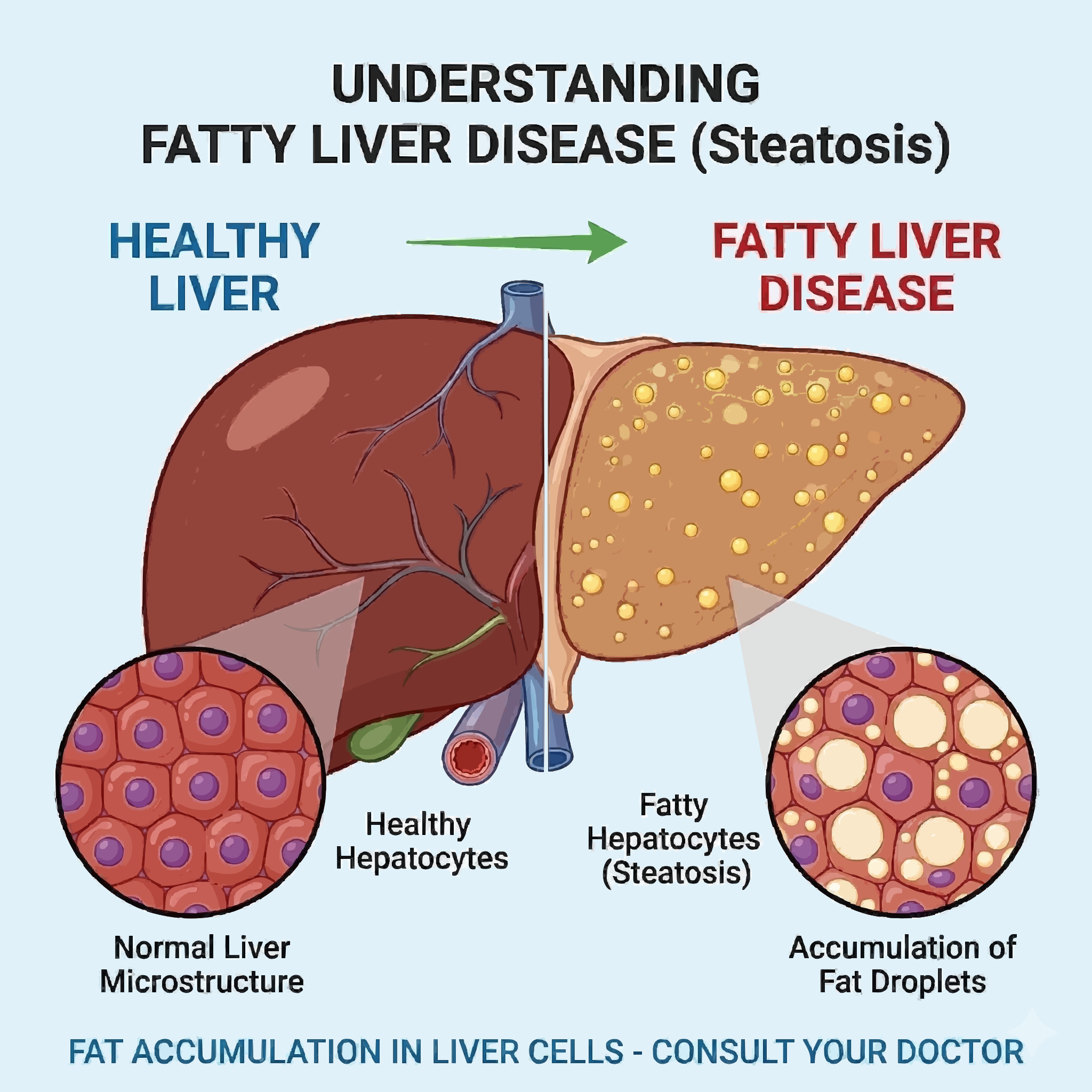
Fatty Liver Disease is a common liver condition where excess fat builds up inside the liver cells. In its early stages, it may not cause noticeable symptoms, which is why many people do not realize they have it. However, if left untreated, fatty liver disease can progress to serious liver damage.
Fatty Liver Disease occurs when more than 5–10% of the liver’s weight is made up of fat. The liver normally contains a small amount of fat, but excessive accumulation can interfere with its normal functions.
There are two main types of fatty liver disease:
- Non-Alcoholic Fatty Liver Disease (NAFLD): This type occurs in people who drink little or no alcohol. It is often associated with obesity, diabetes, high cholesterol, and metabolic syndrome.
- Alcohol-Related Fatty Liver Disease: This develops due to excessive alcohol consumption, which damages liver cells and leads to fat accumulation.
If not managed in time, fatty liver disease may progress to liver inflammation, fibrosis, cirrhosis, or even liver failure.
Common Symptoms to Watch For
In many cases, fatty liver disease does not cause obvious symptoms during the early stages. However, some patients may experience:
• Persistent fatigue or weakness
• Mild discomfort or pain in the upper right abdomen
• Unexplained weight gain
• Loss of appetite
• Feeling of fullness in the abdomen
• Mild swelling in the abdomen
When the disease progresses, more serious symptoms may appear, such as jaundice, severe fatigue, and liver enlargement.
What Causes Fatty Liver?
Fat accumulation in the liver can occur due to several lifestyle and medical factors. Some common causes include:
• Obesity or excess body weight
• Type 2 diabetes
• High cholesterol or triglyceride levels
• Insulin resistance
• Poor dietary habits
• Lack of physical activity
• Excessive alcohol consumption
• Certain medications
Fatty Liver treatment at Lifeline Clinic
Comprehensive Evaluation
Accurate Diagnosis
Personalized Treatment
Treatment for Fatty Liver Disease
Fatty liver disease is often reversible, especially in its early stages. Treatment focuses on addressing the underlying cause and improving liver health.
Lifestyle Changes
Lifestyle modifications are the most effective treatment. Patients are advised to:
• Maintain a healthy body weight
• Follow a balanced, low-fat diet
• Reduce sugar and processed foods
• Exercise regularly
• Limit alcohol consumption
• Manage diabetes and cholesterol levels
When to seek medical help?
You should consult a specialist if you experience:
• Persistent fatigue or abdominal discomfort
• Abnormal liver test results
• Unexplained weight gain
• Risk factors like diabetes or obesity
• Symptoms suggesting liver disease
Early evaluation helps prevent long-term liver damage.
Related Images
Other Conditions
Frequently Asked Questions
Can fatty liver be reversed?
Yes. In most cases, fatty liver disease can be reversed with weight loss, healthy diet, regular exercise, and proper medical guidance.
Is fatty liver a serious condition?
Early fatty liver is usually manageable, but if ignored it can progress to liver inflammation, fibrosis, or cirrhosis.
How long does it take to recover from fatty liver?
Improvement can be seen within a few months with proper lifestyle changes and treatment.
Can fatty liver occur in non-drinkers?
Yes. Non-Alcoholic Fatty Liver Disease (NAFLD) occurs in people who do not consume alcohol.