Ulcerative Colitis
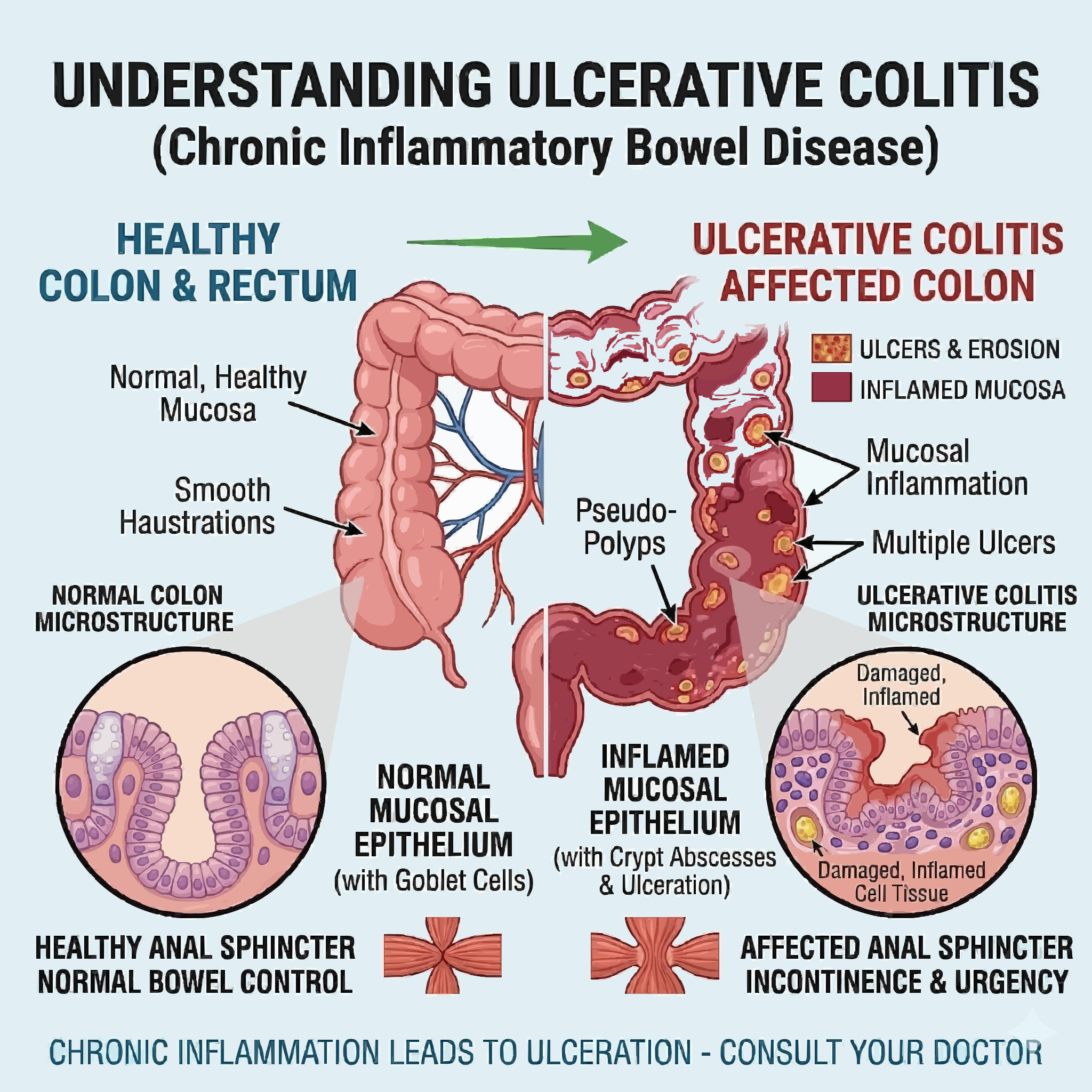
Ulcerative Colitis (UC) is a chronic inflammatory bowel disease (IBD) that causes long-term inflammation and ulcers in the inner lining of the large intestine (colon) and rectum. The condition affects the digestive tract and can lead to symptoms such as abdominal pain, diarrhea, and rectal bleeding.
Ulcerative colitis develops when the immune system mistakenly attacks the lining of the colon, causing inflammation and damage to the intestinal tissue.
Although ulcerative colitis is a long-term condition, proper medical treatment and lifestyle management can help control symptoms and improve quality of life.
Common Symptoms to Watch For
- Frequent diarrhea
- Blood or mucus in stool
- Abdominal pain or cramping
- Urgent need to pass stool
- Fatigue and weakness
- Weight loss
- Loss of appetite
- Rectal bleeding]
- Fever during flare-ups
- Incomplete bowel movements
How is Ulcerative Colitis Diagnosed?
Doctors may recommend several tests to diagnose ulcerative colitis and assess its severity. A flexible camera is used to examine the entire colon and rectum.
Sigmoidoscopy: Examines the lower part of the colon.
Stool Tests: Used to rule out infections and detect inflammation.
Blood Tests: Help identify anemia, inflammation, or infection.
Imaging Tests: CT scan or MRI may be used to evaluate complications.
These tests help confirm the diagnosis and guide treatment.
Ulcerative Colitis treatment at Lifeline Clinic
Comprehensive Evaluation
Accurate Diagnosis
Personalized Treatment
Treatment for Ulcerative Colitis
Treatment aims to reduce inflammation, control symptoms, and maintain remission.
Medications
Doctors may prescribe:
- Anti-inflammatory medications
- Immunosuppressants
- Biologic therapies
- Corticosteroids (during flare-ups)
These medications help reduce inflammation and control immune response.
Lifestyle and Dietary Changes
Patients are often advised to:
- Avoid trigger foods
- Eat smaller, balanced meals
- Stay hydrated
- Manage stress
- Avoid smoking
- Maintain a healthy lifestyle
Dietary changes can help reduce symptom flare-ups.
Surgical Treatment
In severe cases where medication does not control symptoms, surgery may be recommended to remove the affected portion of the colon.
Surgery can significantly improve quality of life in certain patients.
When to seek medical help?
You should consult a gastroenterologist if you experience:
- Persistent diarrhea
- Blood in stool
- Severe abdominal pain
- Sudden weight loss
- Frequent bowel urgency
- Symptoms that interfere with daily life
Early diagnosis and treatment help prevent complications.
Related Images
Other Conditions
Frequently Asked Questions
I have diarrhea with blood in my stool. Could this be ulcerative colitis?
Blood in the stool along with frequent diarrhea can be a sign of inflammation in the colon, which may occur in ulcerative colitis. However, other conditions like infections or hemorrhoids can also cause similar symptoms. A medical evaluation and tests such as colonoscopy may be needed to confirm the diagnosis.
How do I know if I have IBS or ulcerative colitis?
IBS usually causes abdominal discomfort and bowel habit changes but does not cause bleeding or intestinal inflammation. Ulcerative colitis, on the other hand, is an inflammatory condition that often causes bloody diarrhea, inflammation of the colon, and visible changes on colonoscopy.
Is ulcerative colitis a serious disease?
Ulcerative colitis is a chronic inflammatory condition that requires medical care. With proper treatment, many people manage their symptoms well. However, untreated inflammation can lead to complications, which is why early diagnosis and regular monitoring are important.
What foods trigger ulcerative colitis flare-ups?
Common triggers may include spicy foods, fried foods, dairy products, alcohol, caffeine, and highly processed foods. However, triggers can vary from person to person, and identifying personal food triggers can help reduce flare-ups.