GERD (Acid Reflux)
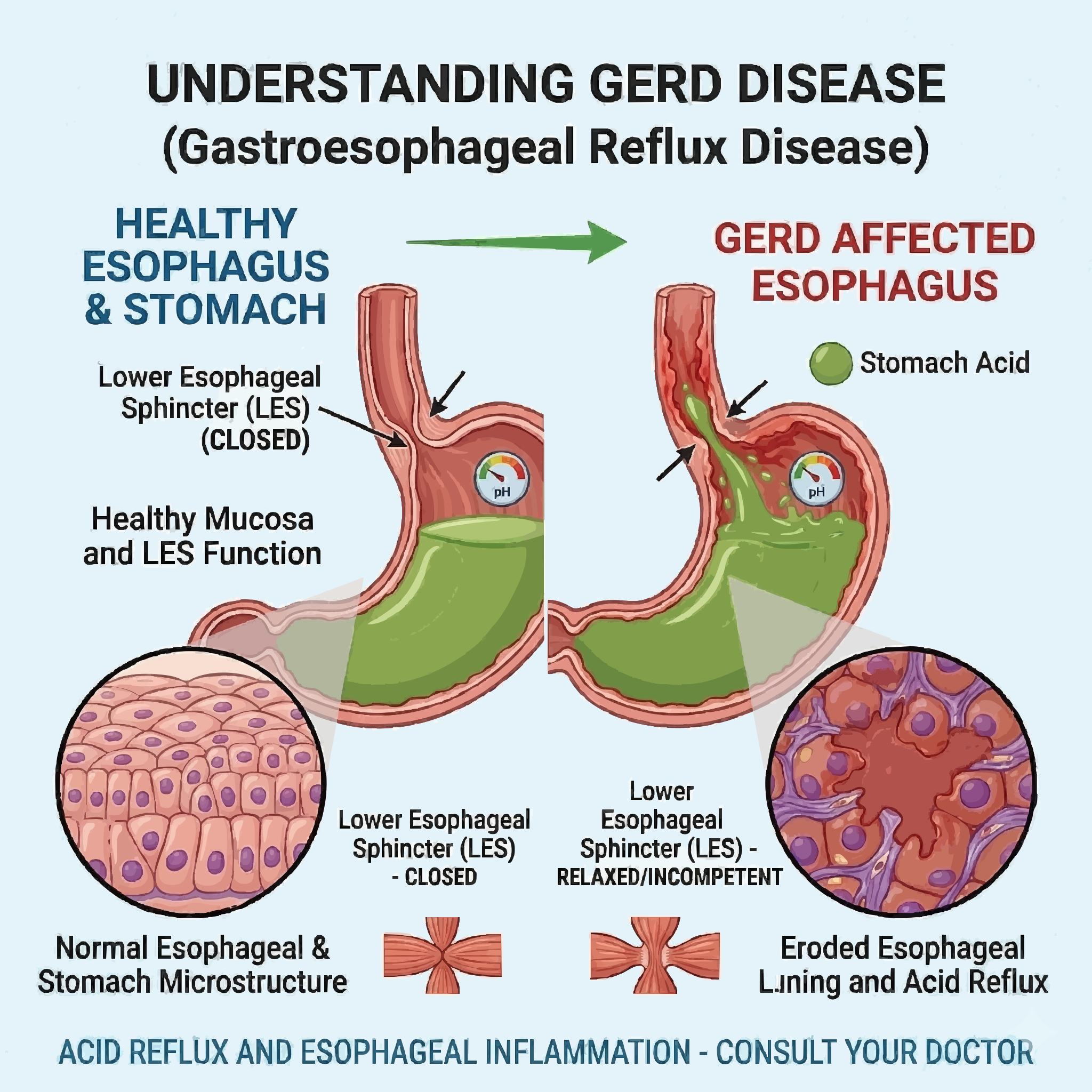
GERD (Gastroesophageal Reflux Disease) is a digestive condition in which stomach acid repeatedly flows back into the food pipe (esophagus). This backflow irritates the lining of the esophagus and causes symptoms like burning in the chest (heartburn), sour taste in the mouth, and discomfort after eating.
Occasional acid reflux is common, but when it happens frequently (more than twice a week) or causes persistent symptoms, it may indicate GERD and should be evaluated by a gastroenterologist.
GERD is a very common digestive problem, but with the right treatment and lifestyle changes, it can be effectively managed.
Common Symptoms to Watch For
GERD symptoms may vary from person to person. The most common symptoms include:
- Burning sensation in the chest (heartburn)
- Acidic or sour taste in the mouth
- Food or acid coming back up into the throat
- Chest discomfort after eating
- Bloating and burping
- Nausea after meals
- Difficulty swallowing
- Persistent cough or throat irritation
- Hoarseness of voice
- Feeling of a lump in the throat
What Causes GERD (Acid Reflux)?
GERD occurs when the lower esophageal sphincter (LES), the muscle that separates the stomach from the esophagus, becomes weak or relaxes at the wrong time.
Common causes and risk factors include:
- Obesity or excess abdominal fat
- Eating large or late-night meals
- Spicy, oily, or acidic foods
- Smoking
- Excessive alcohol consumption
- Pregnancy
- Certain medications
- Hiatal hernia
- Chronic stress
Lifestyle habits play a major role in triggering acid reflux.
Fatty Liver treatment at Lifeline Clinic
Comprehensive Evaluation
Accurate Diagnosis
Personalized Treatment
Treatment for GERD (Acid Reflux)
GERD treatment focuses on reducing acid production and preventing reflux.
Lifestyle Changes
- Eat smaller meals
- Avoid lying down after eating
- Maintain healthy weight
- Elevate the head while sleeping
- Avoid trigger foods
- Quit smoking
Medications
Doctors may prescribe:
- Antacids
- Proton Pump Inhibitors (PPIs)
- H2 receptor blockers
- Prokinetic drugs
These medicines help reduce stomach acid and heal the esophagus.
Advanced Treatment (if needed)
In severe cases, surgical procedures like anti-reflux surgery may be recommended.
Possible Complications of Untreated GERD
If GERD is left untreated for a long time, it may lead to:
- Esophageal ulcers
- Difficulty swallowing
- Barrett’s esophagus
- Increased risk of esophageal cancer
This is why early diagnosis and treatment are important.
When to seek medical help?
You should consult a gastroenterologist if you experience:
- Heartburn more than twice a week
- Acid reflux that disturbs sleep
- Difficulty swallowing food
- Unexplained weight loss
- Persistent vomiting
- Chest pain with reflux symptoms
- Long-term acidity despite medication
Early diagnosis helps prevent complications.
Related Images
Other Conditions
Frequently Asked Questions
I keep getting acidity after meals. Do I have GERD?
Occasional acidity is common, but if it happens frequently or several times a week, it may indicate GERD and should be evaluated by a doctor.
I feel burning in my chest after eating spicy food. Is that acid reflux?
Yes, spicy foods can trigger acid reflux and cause a burning sensation in the chest known as heartburn.
Is GERD a serious condition?
GERD is treatable, but if ignored for a long time it can cause complications like esophageal inflammation or Barrett’s esophagus.
Can GERD be cured permanently?
Many patients control GERD successfully through medication and lifestyle changes. Long-term management may be needed in some cases.