
Barrett’s Esophagus
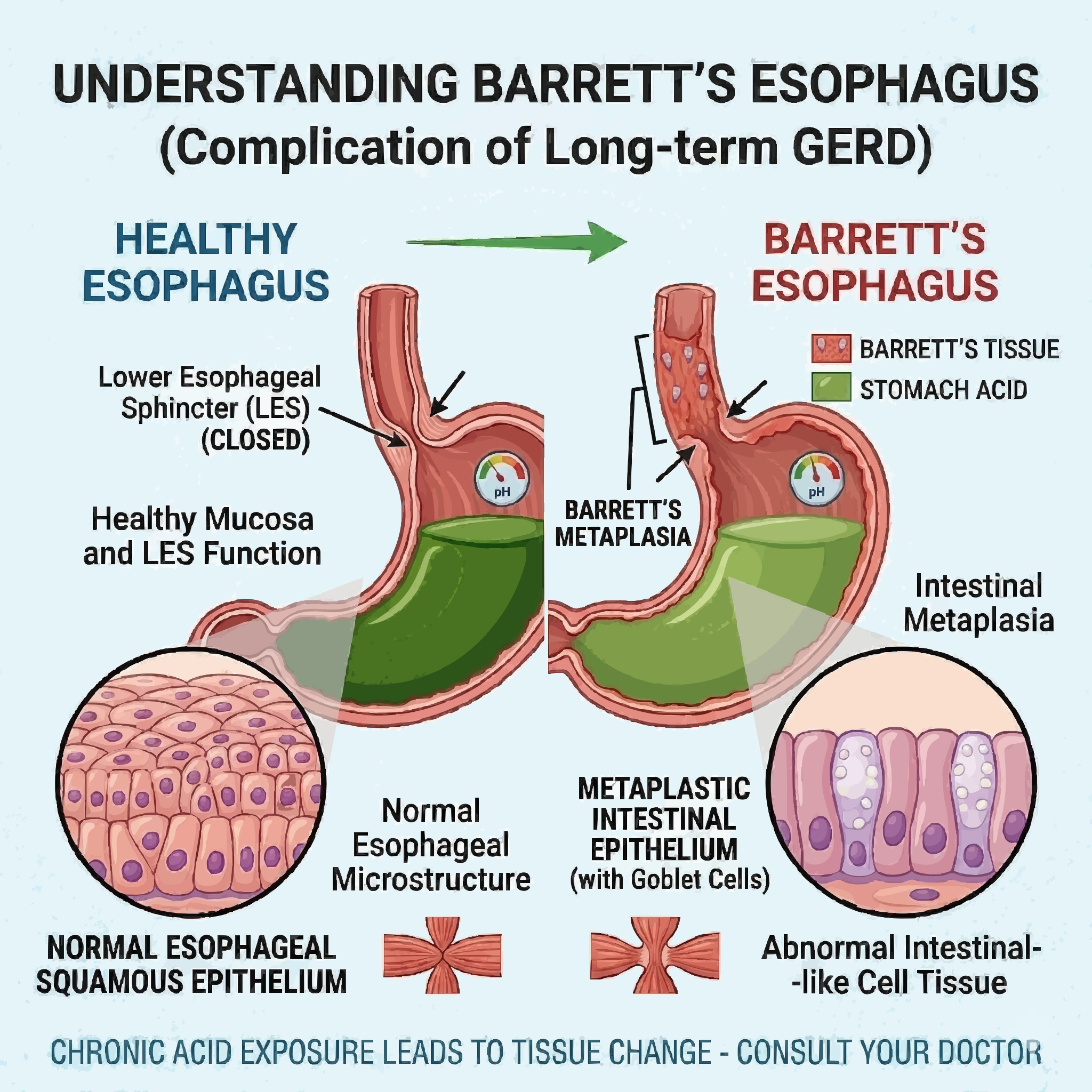
Barrett’s Esophagus is a condition in which the lining of the lower esophagus changes due to long-term acid reflux (GERD). Normally, the esophagus is lined with flat cells, but in Barrett’s Esophagus these cells are replaced with intestinal-type cells because of repeated exposure to stomach acid.
This condition usually develops in people who have had chronic acid reflux (GERD) for many years.
Barrett’s Esophagus itself may not cause symptoms, but it is considered important because it can increase the risk of developing esophageal cancer over time.
Early diagnosis and regular monitoring help detect any changes early and prevent complications.
Common Symptoms to Watch For
Barrett’s Esophagus often does not cause unique symptoms. Most symptoms are related to long-standing GERD (acid reflux).
Common symptoms include:
- Chronic heartburn
- Acid reflux after meals
- Sour or acidic taste in the mouth
- Difficulty swallowing
- Chest discomfort
- Frequent burping
- Nausea after eating
- Persistent throat irritation
- Chronic cough
- Hoarseness of voice
Some people with Barrett’s Esophagus may not notice symptoms at all, which is why endoscopy is important for diagnosis.
How is Barrett’s Esophagus Diagnosed?
The most reliable way to diagnose Barrett’s Esophagus is through Upper GI Endoscopy.
A thin flexible tube with a camera is used to examine the esophagus, stomach, and upper digestive tract.
Biopsy
During endoscopy, small tissue samples may be taken from the esophagus. These samples are examined under a microscope to confirm Barrett’s Esophagus and check for abnormal cells (dysplasia).
Regular monitoring may be recommended depending on the findings.
Barrett’s Esophagus treatment at Lifeline Clinic
Comprehensive Evaluation
Accurate Diagnosis
Personalized Treatment
Treatment for Barrett’s Esophagus
Treatment focuses on controlling acid reflux and preventing progression of the disease.
Acid Suppression Medications
Doctors commonly prescribe medications such as:
- Proton Pump Inhibitors (PPIs)
- Acid-reducing medicines
These medications help reduce stomach acid and protect the esophagus.
Lifestyle Modifications
Lifestyle changes play an important role in managing the condition:
- Avoid spicy and oily foods
- Maintain healthy body weight
- Avoid smoking
- Limit alcohol intake
- Avoid late-night meals
- Eat smaller, frequent meals
When to seek medical help?
You should consult a gastroenterologist if you experience:
- Long-term acid reflux
- Frequent heartburn
- Difficulty swallowing food
- Food getting stuck in the chest
- Unexplained weight loss
- Persistent vomiting
- Severe chest discomfort
- These symptoms may require further evaluation with endoscopy.
Related Images
Other Conditions
Frequently Asked Questions
I have had acidity for many years. Could it turn into Barrett’s Esophagus?
Long-term acid reflux can increase the risk of Barrett’s Esophagus. If reflux symptoms persist for many years, your doctor may recommend an endoscopy for evaluation.
I feel frequent heartburn and throat irritation. Could this be Barrett’s Esophagus?
These symptoms are usually related to GERD (acid reflux). Barrett’s Esophagus cannot be diagnosed based on symptoms alone and requires endoscopy.
Can Barrett’s Esophagus be cured?
The condition can often be controlled with medications and lifestyle changes. If abnormal cells are present, endoscopic treatments may be used to remove them.
Is Barrett’s Esophagus cancer?
No. Barrett’s Esophagus is not cancer, but it can slightly increase the risk of developing esophageal cancer over time. Regular monitoring helps detect any changes early.