Ulcer Disease
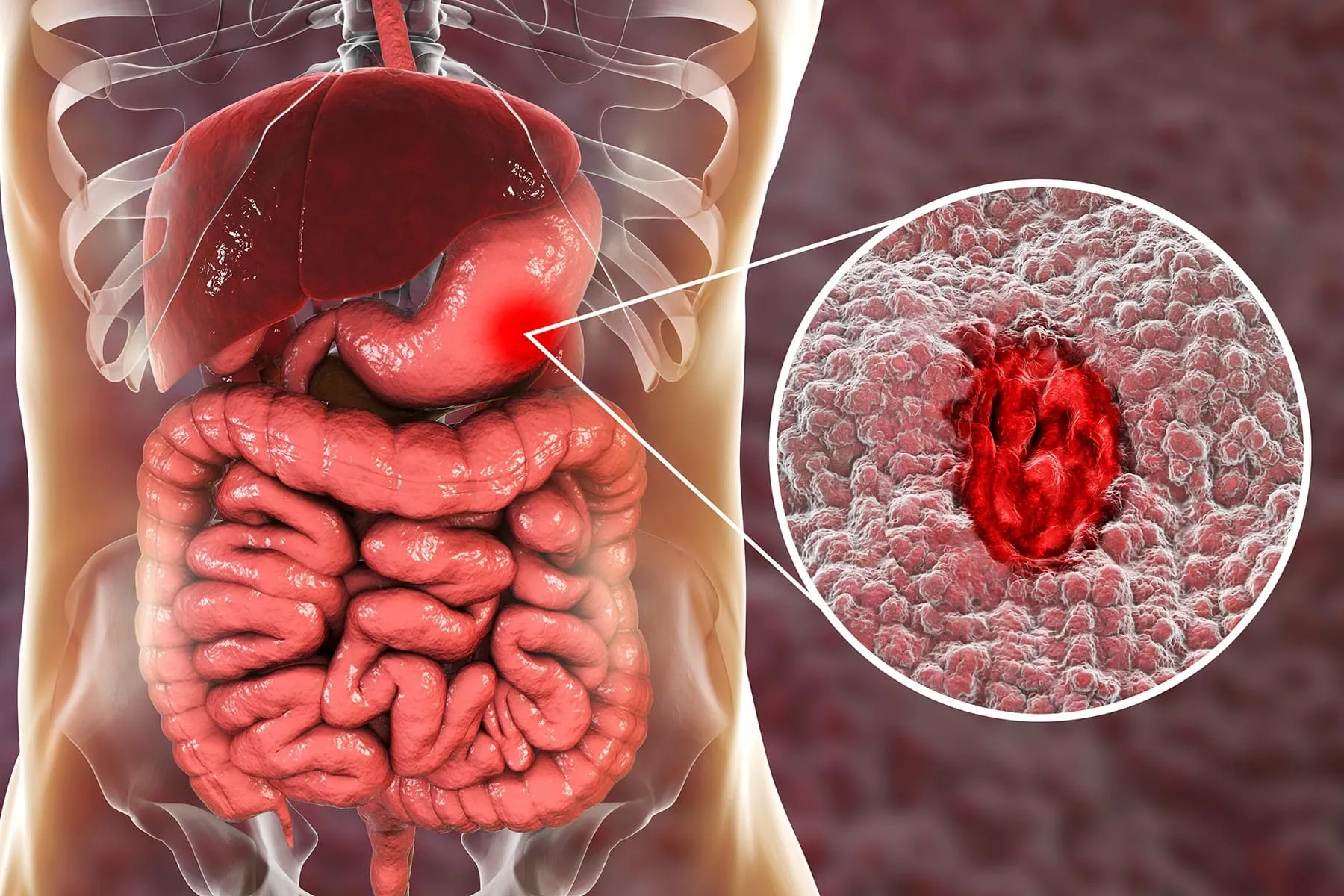
Ulcer disease, also known as Peptic Ulcer Disease, is a condition where painful sores develop in the lining of the stomach or the first part of the small intestine (duodenum). These sores form when stomach acid damages the protective inner lining of the digestive tract.
If you often experience burning stomach pain, discomfort after meals, or unexplained nausea, an ulcer could be the reason. The good news is that ulcer disease is treatable — especially when diagnosed early.
There are two main types:
- Gastric ulcers – occur in the stomach
- Duodenal ulcers – occur in the upper small intestine
Many people ignore symptoms initially, thinking it’s just “acidity.” But persistent pain should never be overlooked.
Common Symptoms to Watch For
Symptoms can vary from mild discomfort to severe pain. Some patients may even have ulcers without obvious symptoms.
Watch for:
- Burning or gnawing pain in the upper abdomen
- Pain that may improve or worsen after eating
- Bloating or excessive burping
- Nausea or occasional vomiting
- Feeling full quickly
- Unexplained weight loss
What Causes Gastritis?
Ulcers usually develop due to one or more of the following:
- H. pylori Infection: A common bacterial infection that weakens the stomach lining and increases acid damage.
- Long-term Use of Painkillers: Regular use of medicines like ibuprofen, aspirin, or other NSAIDs can irritate and damage the stomach lining.
- Excess Acid Production: Certain conditions cause the stomach to produce more acid than normal.
- Lifestyle Factors: Smoking, heavy alcohol use, and high stress levels can worsen symptoms and delay healing.
How Ulcer Disease Is Diagnosed
If ulcer disease is suspected, your doctor may recommend:
- Upper GI Endoscopy – A thin camera is used to directly view the stomach and intestine lining
- H. pylori Testing – Breath, blood, or stool tests
- Blood tests if needed
Early diagnosis helps prevent complications and ensures faster healing.
Ulcer treatment at lifeline clinic
Comprehensive Evaluation
Accurate Diagnosis
Personalized Treatment
Diet Tips for Ulcer Patients
While food doesn’t directly cause ulcers, certain items can worsen discomfort:
Avoid or limit:
- Spicy foods
- Very acidic foods
- Caffeine
- Alcohol
Prefer:
- Soft, easily digestible meals
- Small, frequent meals
- Plenty of water
When to seek medical help?
Please seek immediate emergency care if you experience any of these severe signs:
- Stomach pain lasts more than a few days
- You rely frequently on antacids
- Symptoms keep returning
- You have a history of ulcers
Related Images
Other Conditions
FAQs
Is ulcer disease curable?
Yes. With proper medication and lifestyle changes, most ulcers heal completely.
Can stress cause ulcers?
Stress alone does not directly cause ulcers, but it can worsen symptoms and delay healing.
Do ulcers turn into cancer?
Most ulcers are not cancerous, but persistent symptoms should always be evaluated properly.